Greggs’ Matcha Moment: Why the Internet Is Mad — and Why the Campaign Actually Works
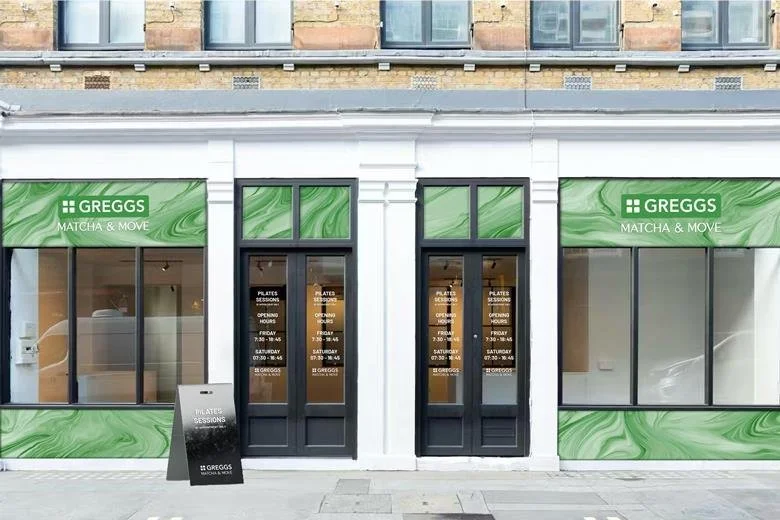
When Greggs launches iced matcha range and pilates studio pop‑up dropped earlier this month, the internet collectively went wait, what? A bakery famous for sausage rolls, steak bakes and “brown food” was suddenly selling iced matcha lattes and hosting free pilates sessions in Soho.
On Reddit, fans were baffled — one Greggs subreddit thread simply featured the message: “okay, who took all the tickets to the Greggs matcha pilates class?” — underscoring both the unexpectedness and the genuine enthusiasm the idea generated.
So why the outrage — and why, strategically, this actually makes sense?
The Perception Clash: Brown Food vs Clean Living
A big part of the backlash comes down to a clash in identities.
Greggs is in the British cultural lexicon as the archetypal comfort bakery — inexpensive, greasy, unapologetically satisfying. When a cultural commentator called it “the last bastion of brown food” juxtaposed with “Instagram-friendly wellness drinks”, it perfectly captured the cognitive dissonance some people felt.
Matcha isn’t just green tea. Over the past decade it’s become a shorthand for wellness, aesthetic caffeine culture, and performative health — the drink in pastel gyms, yoga studios and visually curated routines. It carries the idea of intentional self-care more than nutritional superiority.
Why People Are Mad (or Confused)
There are a few overlapping reactions online:
Some see the move as out-of-step or inauthentic (“Greggs selling lifestyle now?”).
Others simply can’t reconcile matcha with Greggs’ down-to-earth identity.
A vocal subculture views it as a sell-out to wellness zeitgeist trends.
These reactions highlight an important cultural truth: brands can be constellated with meaning beyond their products.
Greggs isn’t just a bakery to many — it’s comfort, straightforward calories, a British ritual. So a matcha latte feels like a ontological violation to some fans.
Why It Actually Works
But this reaction is exactly what this campaign was designed to provoke.
1. It generates earned media.
A bakery selling matcha and hosting pilates pop-ups is news — not because it’s inherently big, but because it looks absurd on paper. That absurdity becomes shareable content and commentary.
2. It expands the brand’s cultural footprint.
Matcha is in demand — seen as the drink of a certain demographic willing to pay premium prices. Bringing matcha into Greggs’ ecosystem allows the brand to signal relevance to younger, wellness-curious consumers.
3. It’s not as random as it seems.
Greggs has repositioned itself before. Remember the vegan sausage roll launch? That campaign didn’t just add a product — it expanded brand identity to include inclusivity and cultural agility. This is the same playbook with a new flavour.
4. British humour and brand tone help.
Greggs does not brand itself as “unhealthy” in a moralistic way — it’s a British institution comfortable with self-deprecating, tongue-in-cheek marketing. This makes it easier to pull off a playful juxtaposition like pilates + pastry.
What This Says About Culture Today
What’s really fascinating isn’t matcha in Greggs — it’s that brands today are cultural fingerprints. Instead of selling only food, they sell identity, conversation and meaning.
Greggs’ iced matcha isn’t just a drink. It’s a statement — about inclusivity, about cultural relevance, and about owning the absurd.
Whether you love it, hate it, or are just confused, the viral reaction means one thing: everyone is talking about Greggs’ matcha moment.