
CASE STUDY · CWTCH HAUS
From £300k to
£2m.
How human insight, fearless creativity and commercial discipline helped transform a small independent kitchen and bathroom business into a £2m brand.
INDUSTRY
Kitchens, Bathrooms & Interiors
ENGAGEMENT
Embedded Marketing Leadership
SCOPE
Research · Strategy · Positioning · Brand · Content · Digital · Advertising · Customer Experience · Commercial Measurement
01 — CONTEXT
The Opportunity
Cwtch Haus was a small, independent kitchen and bathroom business in West Wales. Its only clear differentiation was that it was the region’s sole supplier of German Kitchens. A strong product advantage, but one that was easily replicated and poorly understood by the average customer.
Local independents face heavy competition from national chains such as Howdens, Wren and Magnet, whom are all armed with large advertising budgets and broad brand recognition. They also face other common misconceptions: that smaller means less trustworthy, less established and potentially less safe to invest in for a high-ticket purchase like a kitchen or bathroom renovation.
Our challenge was clear: build a brand that could inspire confidence, convey expertise, and create connection.
02 — METHOD
Our Approach
Every engagement starts with a structured audit of the business and market it operates within. We look outward at the industry, competitors and audience, and inward at positioning, purpose, presence and presentation, before bringing those findings together into a clear view of strengths, weaknesses, opportunities and threats.
From there, the job is to identify the insights that can create competitive advantage. We then build that advantage into the business, make it distinctive through compelling creative, and rigorously measure key performance indicators to test whether its working.
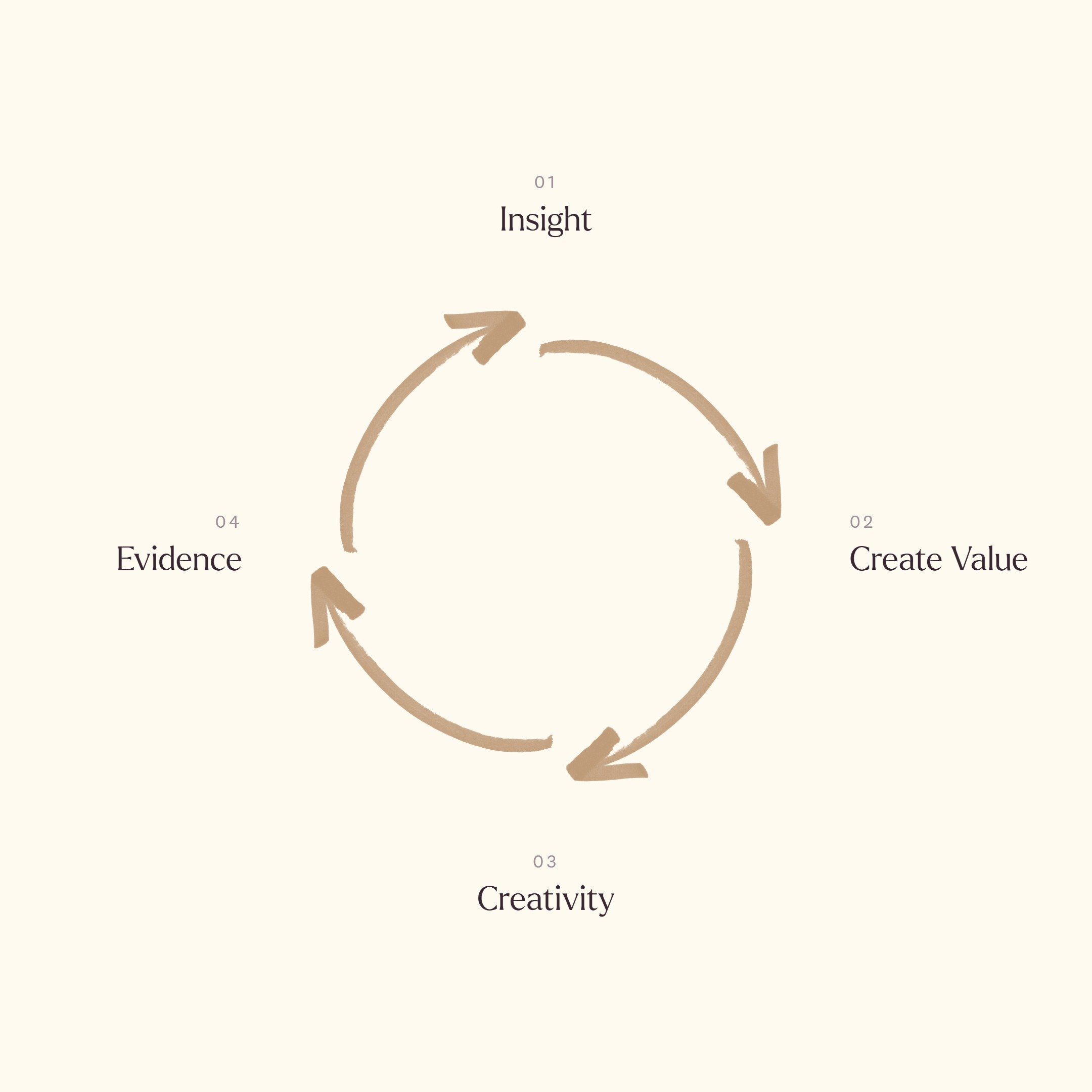
This loop:
Insight → Value → Creativity → Evidence
Is the foundation of the Bold & Subtle approach.
03 — INSIGHT
What Our Research Revealed
The audit revealed a clear picture of the open territory that existed within the category.
There were three insights in particular, that we built into Cwtch Haus strategy.
01
The category was speaking in industry language, not customer language.
Terms like shaker, in-frame and handleless dominated competitor websites, largely because of legacy SEO tactics. But most customers didn’t naturally think or speak in those terms. The industry was describing kitchens by product specification; but customers were thinking about how they wanted their homes to feel and function.
02
Trust was earned through authenticity and transparency.
Real photography, real projects and real people consistently resonated and out-performed CGI imagery and marketing materials that was provided by partners. That led us to make a commitment, Cwtch Haus would only ever showcase its own work, its own team and its own customers.
03
The purchasing decision was primarily led by emotion.
When customers spoke about why they wanted a new kitchen, they rarely started with finishes or fittings. They talked about family, entertaining, pride in their home and spending more time together.
“Our ideal customer viewed their kitchen as the social heart of their home, making status, personal taste, and emotional well-being the main drivers behind their buying choices.”
Establishing a Position We Could Own
04 — STRATEGY
We then mapped the wider competitive landscape using our Scope of Competitiveness model. Identifying where competitors overlapped, where Cwtch Haus genuinely delivered better value, and where there was ground to build a more distinctive and defensible position.
We knew we were not trying to be the cheapest option. National retailers could compete more aggressively on volume and price.
Our advantage was: high-quality products at strong value, specialist design expertise, personal service, and end-to-end project delivery through our own installation team.
The opportunity was to become the obvious choice for customers looking for something more considered than a national retailer, without moving into the inaccessible end of the luxury market.
That meant being deliberately selective about who the brand was for. Not trying to appeal to everyone, but becoming exceptional for a clearly defined customer.
Building the Positioning Into the Brand
05 — POSITIONING
The existing brand no longer reflected the quality of the experience we wanted customers to expect, so a rebrand became a strategic requirement in order to establish the foundations that would enable the business to unlock effective growth. We built the brand around the people we wanted to serve, the strengths of the business, and a clear space in the market.
Cwtch
Warmth, home, togetherness and belonging
Haus
Quality, precision, attention to detail, professionalism
Those two ideas captured the balance we wanted the business to own: a highly professional service build around something deeply personal.
BRAND VALUES
Family
Trust
Devoted
VALUE PROPOSITION
Creating your home together.
The new identity positioned the business away from being ‘just another kitchen retailer’, into a creator of spaces that bring people together.
BEFORE
AFTER
06 — EXPERIENCE
Translating strategy into experience
The positioning only works if it is validated through the customer’s lived experience of the business. Every touch-point where the customer interacts with Cwtch Haus, needed to reinforce the perception we were engineering.
We asked: how could every stage of the customer journey create more value, build more trust, and reinforce Cwtch Haus as the obvious choice?
Reimagining the showroom
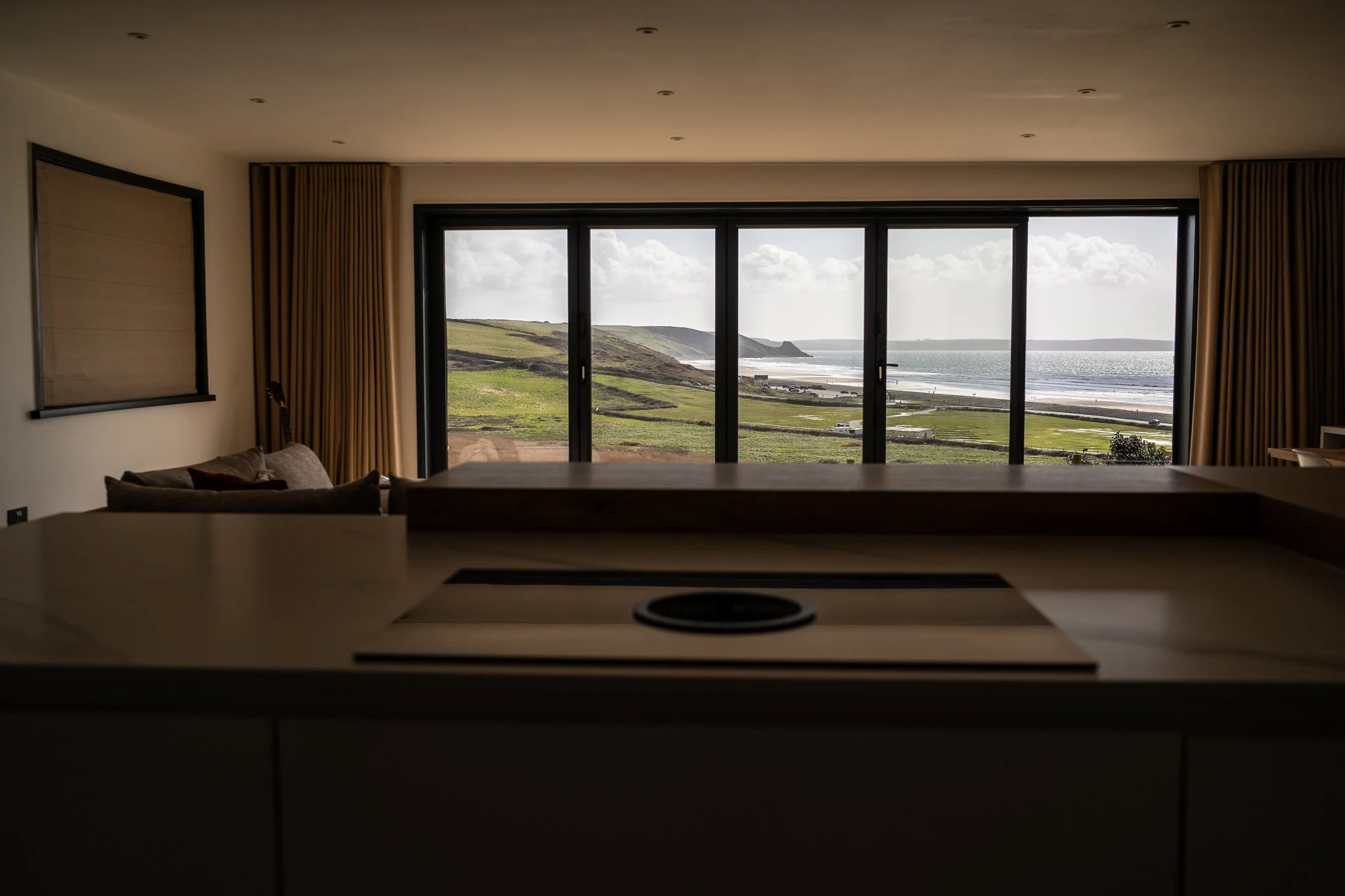
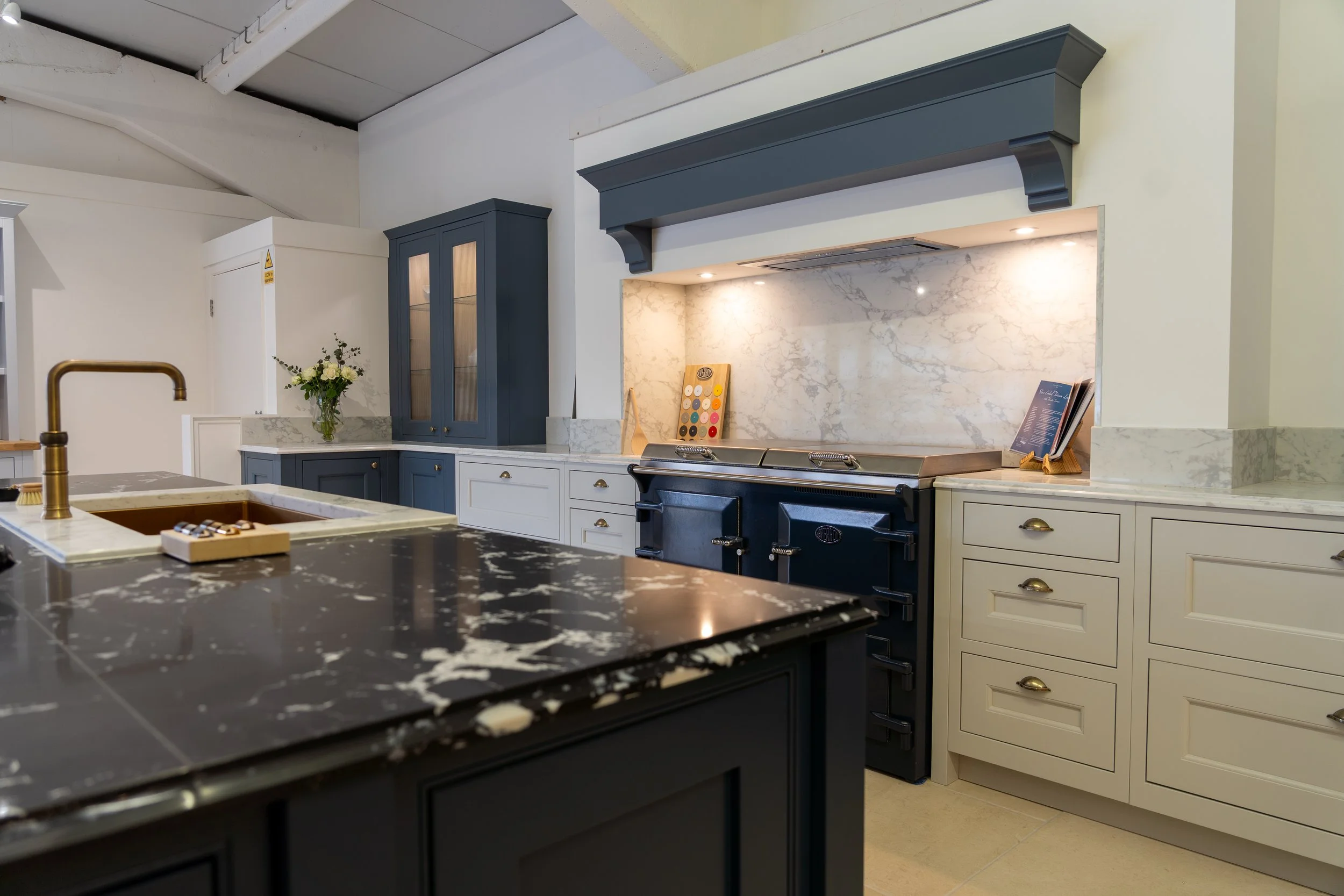
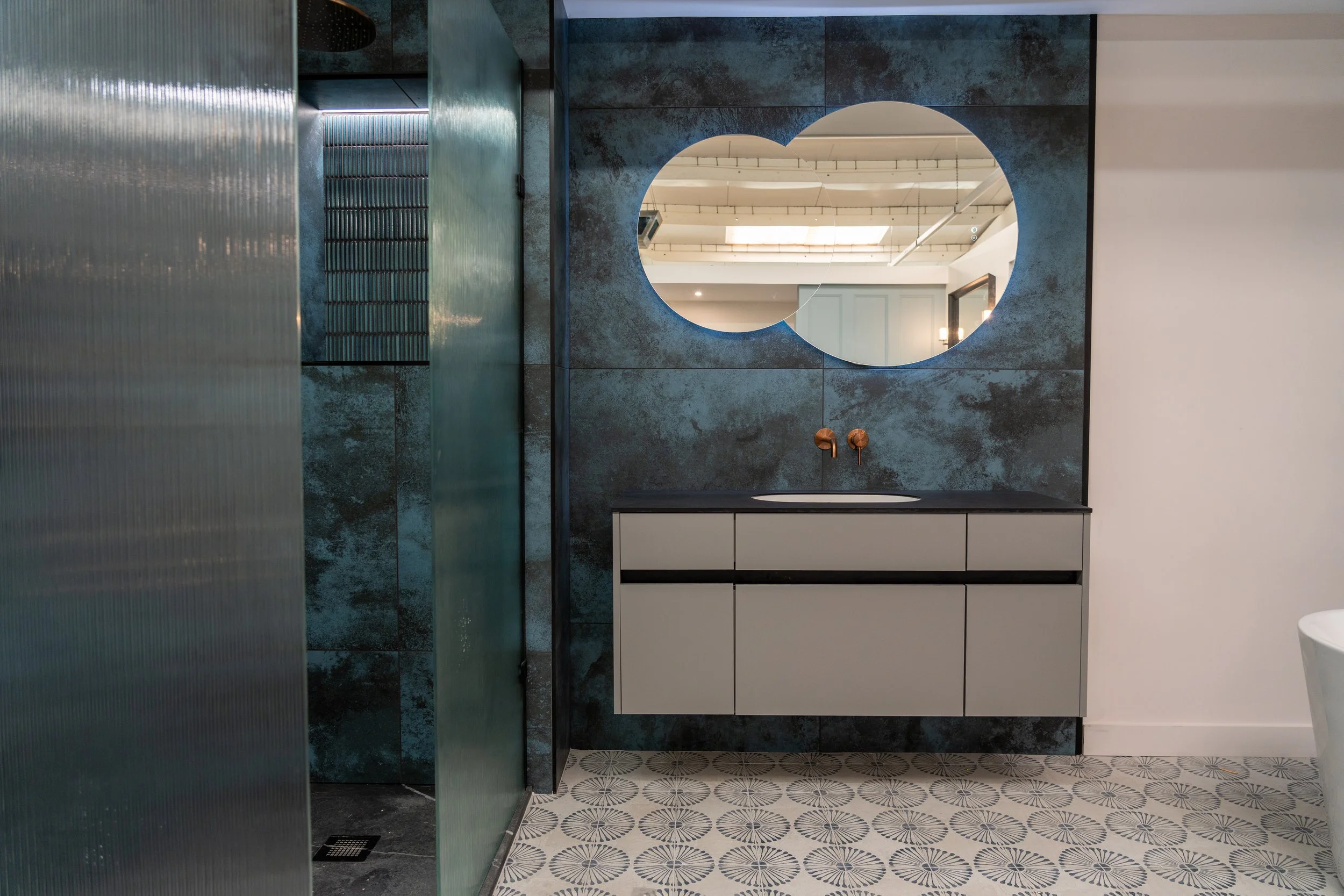
At a time where physical retail was under pressure from store closures, declining high streets and changing buying behaviour, expanding the showroom meant giving people a stronger reason to visit. We led the concept, layout and display design around five principles. The result was a showroom designed through the lens of how customers actually wanted explore, consider and purchase.
01
A place for community.
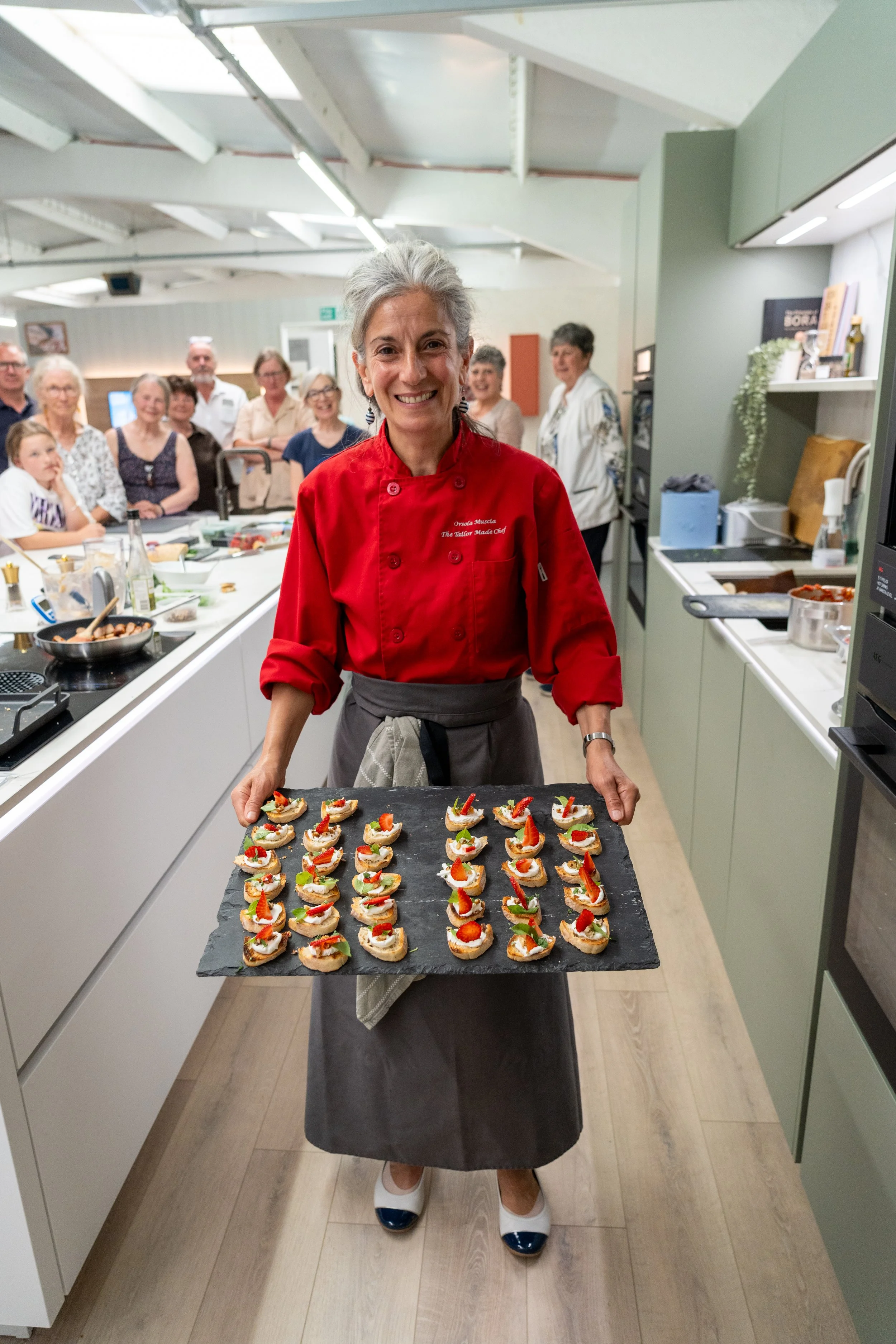
We created a dedicated space for workshops, live cooking and appliance demonstrations, networking, fundraising, hot-desking and local events. Extending the idea that if the kitchen is the heart of the home, Cwtch Haus should bring people together in much the same way.
02
Less is more.
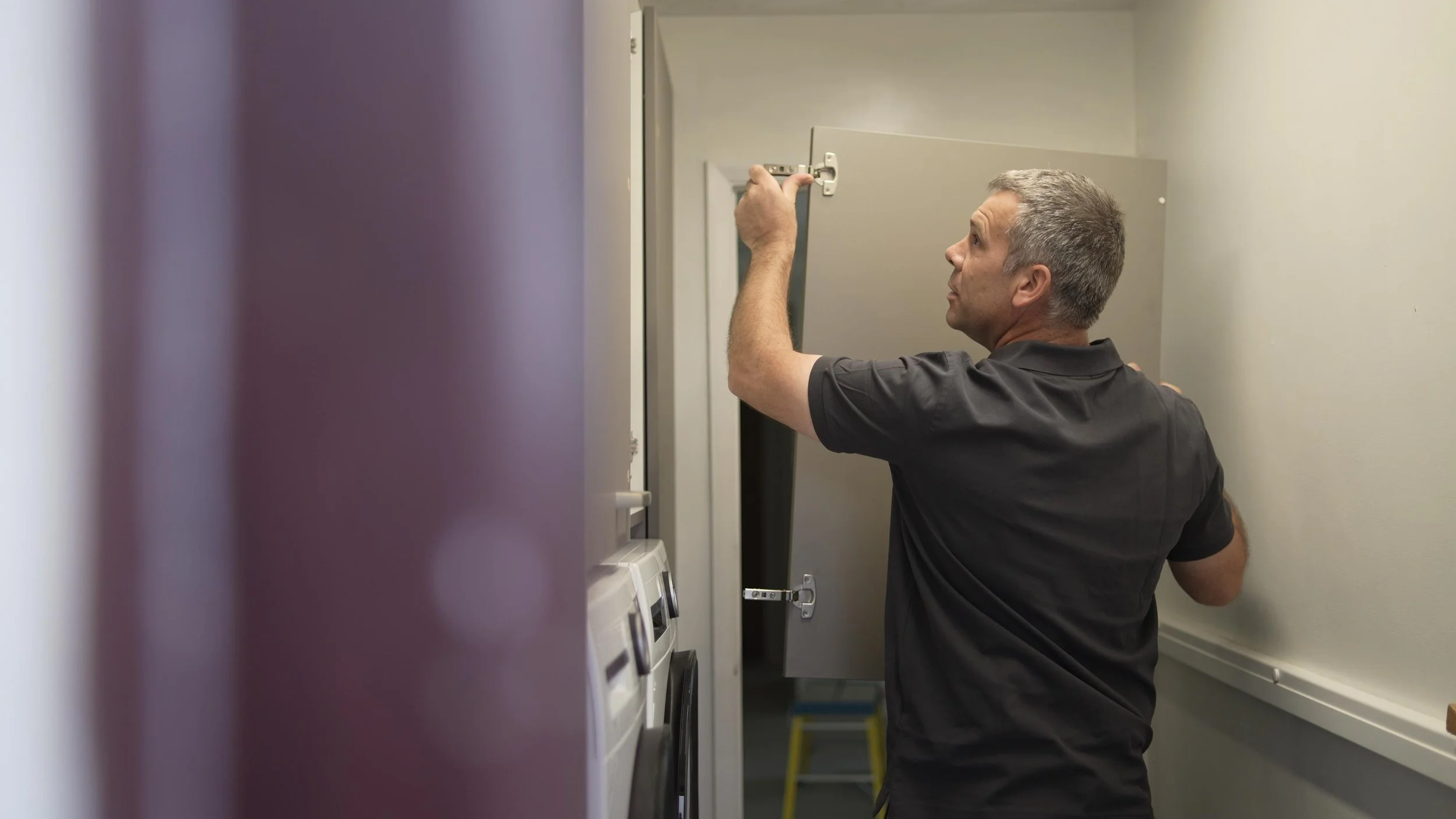
Rather than filling the showroom with as many displays as possible, we created fewer, more considered and immersive room sets. Designed to feel like your stepping into actual homes.
03
Comfort and privacy.
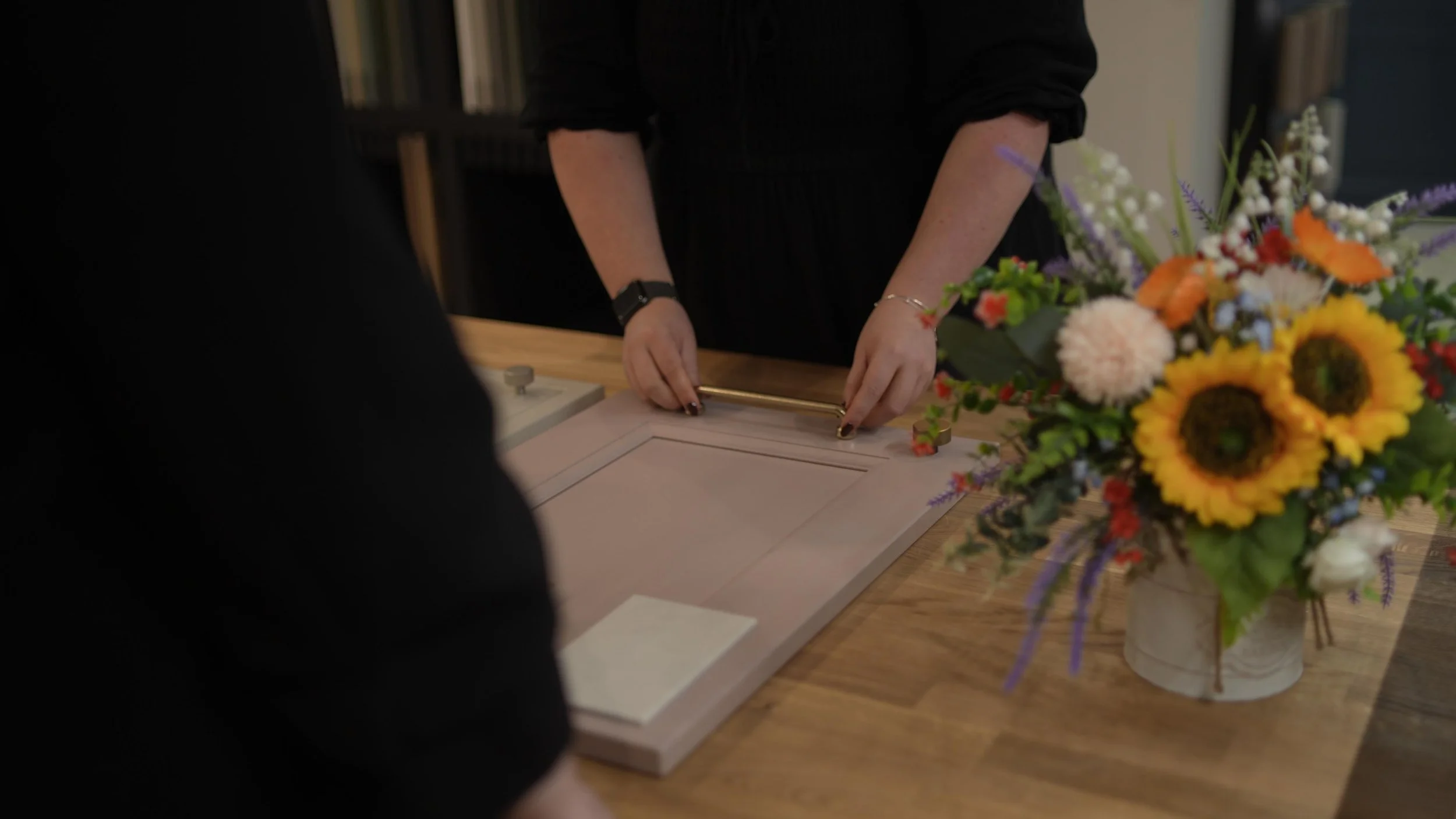
Dedicated presentation areas gave customers space to slow down, explore ideas and have more sensitive conversations around budget, scope and priorities in a relaxed environment.
04
Clarity through zoning.
Distinct areas for UK-manufactured kitchens, German kitchens, bathrooms, flooring and tiles made the range easier to navigate, with dedicated sample and live moodboarding spaces supporting the design process.
05
A studio purpose-built for content.
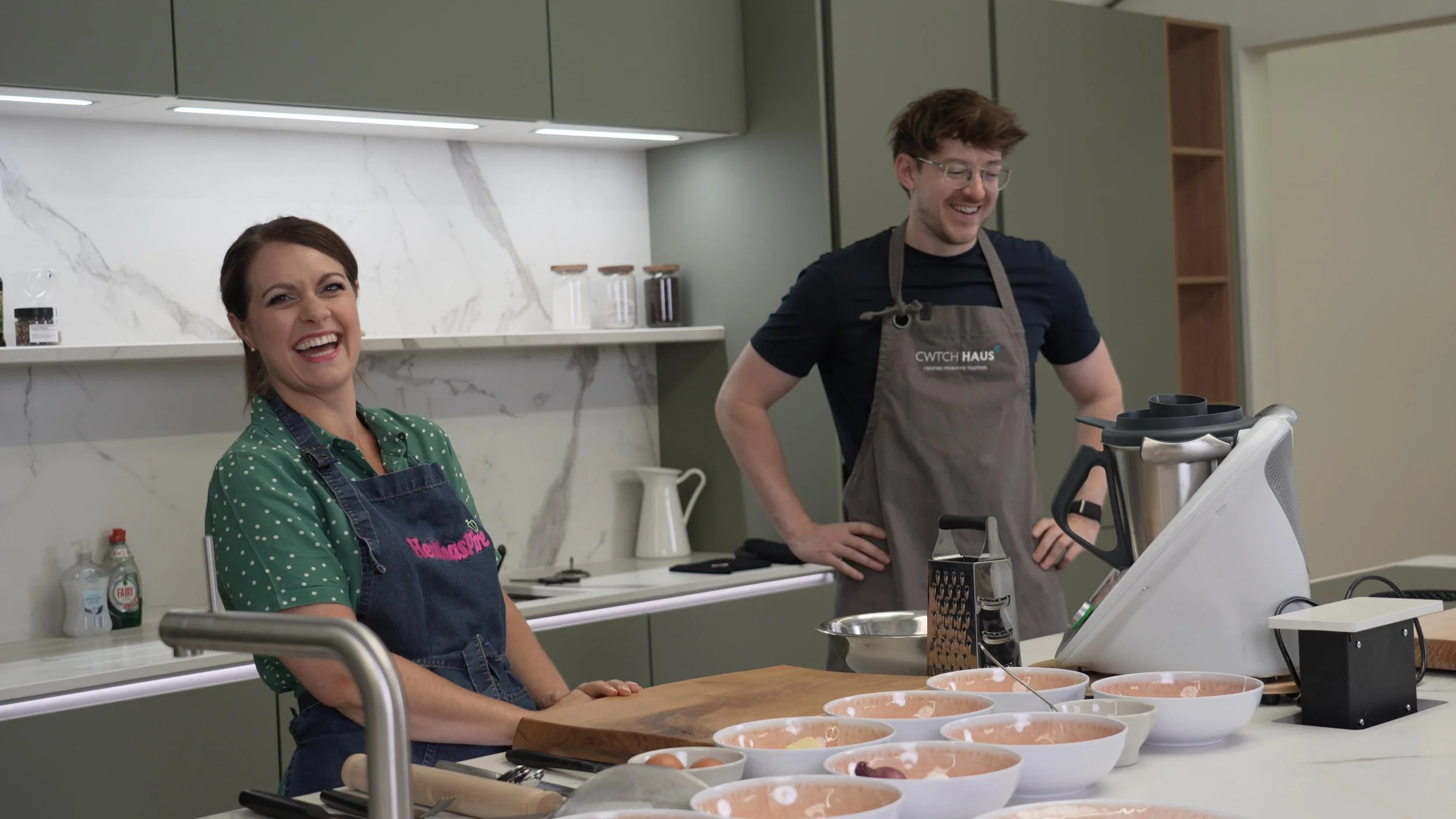
A working studio kitchen was designed specifically for filming, demonstrations and collaborations, allowing the showroom to become both a customer destination and a platform for the brand.
07 — SYSTEMS
Connecting the Journey
We applied the same thinking beyond the physical space.
A new CRM, Anthill, gave us reliable data capture across paid media, social, website and email activity, while automated communications created a more consistent customer experience and clearer visibility over the sales process.
We also developed a structured aftercare system, connecting the story told before the sale with the experience after installation. The aim was to make sure the relationship didn’t end when the project was complete, strengthening trust, referrals and long-term customer relationships.
Alongside this, we introduced a clear content framework and consistent social cadence built around authenticity, education and community. Ensuring the way Cwtch Haus communicated reflected the same values customers experienced in person.
08 — CAMPAIGN
For Life’s Most Meaningful Moments
By this point, the strategy had already transformed the business. We understood the audience more clearly. We had sharpened the positioning, rebuilt the brand, redesigned the showroom experience and created stronger reasons for people to choose Cwtch Haus. The next challenge was to amplify that value.
Rather than a campaign that focused on product specifications, sales promotions or the usual category language, we built the campaign around emotion, identity and belonging. The goal was to communicate the value already embedded in the business in a way that felt distinctive, human and difficult to ignore.
I led the creative direction, scripting and storyboarding, working with filmmaker Dean Harries of WeTheDee on production and editing. I then planned and managed the campaign rollout across digital, radio and print.
The ambition was deliberately high, but the production model stayed lean. We were never going to outspend the largest businesses in the category. We could, however, outthink them.
The campaign, For Life’s Most Meaningful Moments, was built around a simple idea: people do not invest in kitchens, bathrooms and bedrooms because of the products alone. They are making an investment into the life they envision happening within those spaces.
Family dinners. Friends around the table. Quiet mornings. Celebrations. The everyday moments that turn a house into a home. That became the creative territory.
SIX MONTHS AFTER LAUNCH VS. SAME PERIOD, PREVIOUS YEAR
+73.6%
Sales Volume
£585k → £1.02m
+63.5%
Gross Profit
£172k → £281k
+26%
Project Volume
+37.8%
Average Project Value
£6.1k → £8.4k
357,931
Campaign Video Views
Creative work is most effective when it has something meaningful to amplify. In this case, the campaign grew directly from the customer insight, positioning and experience we had already built into Cwtch Haus. The creative was the multiplier.
What made the campaign commercially significant was that it helped Cwtch Haus attract and convert more valuable work, and it did so without relying on excessive production and advertising spend.
For Life’s Most Meaningful Moments was not an isolated piece of advertising. It was a natural extension of the much wider commercial strategy we had developed.
09 — COMMERCIAL OUTCOME
£300K → £2M
Annual Revenue
£29:£1
Revenue / Marketing Investment
3.41%
Marketing investment as % of revenue
£10:£1
Gross Profit / Marketing Investment
866%
Gross Profit ROMI
All marketing investment figures are fully loaded and include the cost of Adam's fractional marketing leadership.
Marketing was managed as an investment and measured against wider business performance
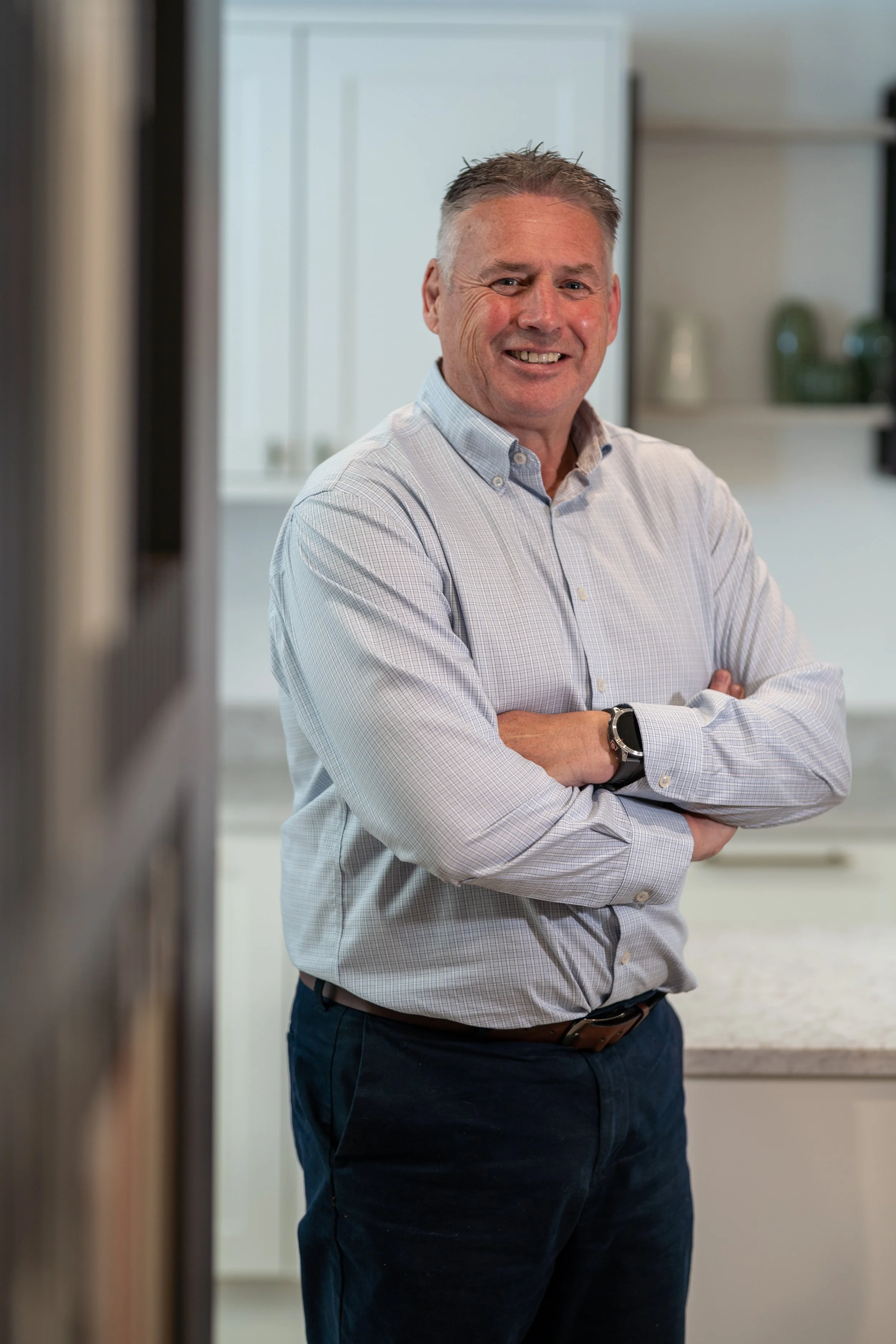
Martin Jones
Founder & Director, Cwtch Haus
“When Adam first started pushing for some of the changes we eventually made, I was sceptical. I remember thinking that spending £5,000 on a rebrand was a huge risk for a business of our size at the time. But I trusted his judgement, and looking back now, that hesitation almost feels ridiculous because of how much value those decisions have created.
What changed most was the way we thought about the business. In the early days, it felt safer to have a broad offering and try to appeal to as many people as possible. Adam pushed us to be much more deliberate about who we were, what we stood for and who we wanted to work with.
That clarity transformed both our reputation and the type of customer we attract. Cwtch Haus is now a recognised local brand with a very clear position in the market, and we consistently attract the kind of projects and customers we want to be working with.
The marketing has always punched well above its weight. Adam has taken what has historically been a very conservative budget and made it work incredibly hard. The growth was made possible from understanding the market properly, creating more value for our customers and then finding creative ways to communicate it.
Over time, that approach has spread into almost every part of the business. From the brand and showroom to the customer experience, content, systems and the way we measure performance.
The result is a business I’m incredibly proud of. We’ve grown significantly, built a reputation people trust, attract brilliant people who share our values, and created something that now has a meaningful place in the local community.
Adam is naturally ambitious, strategic and always looking several steps ahead. He challenges the way things have always been done and brought genuine original thinking to the business.
Seeing what that approach achieved at Cwtch Haus has given me huge confidence in his judgement, and in how much further the business can still go.”
10 — LEGACY
Cwtch Haus became the proving ground for the ideas that eventually became Bold & Subtle
The role of marketing is not to manufacture the perception of value. It is to help businesses understand, create and communicate genuine value.
The role of creativity is to create better solutions, better experiences, better propositions and better ways of communicating value.
Commercial evidence should support and encourage creative ambition, not stifle it.
The businesses that create the most meaningful value for people have the greatest opportunity to create enduring value for themselves.
UNDERSTAND PEOPLE. CREATE VALUE. BE FEARLESS. PROVE IT WORKS.
GET IN TOUCH
Need someone to take ownership of your marketing?
I work alongside ambitious founders who want marketing to become a genuine driver of business growth — combining human insight, strategic direction, creative courage and commercial accountability.