High Streets Aren’t Dying — They’re Just Outdated
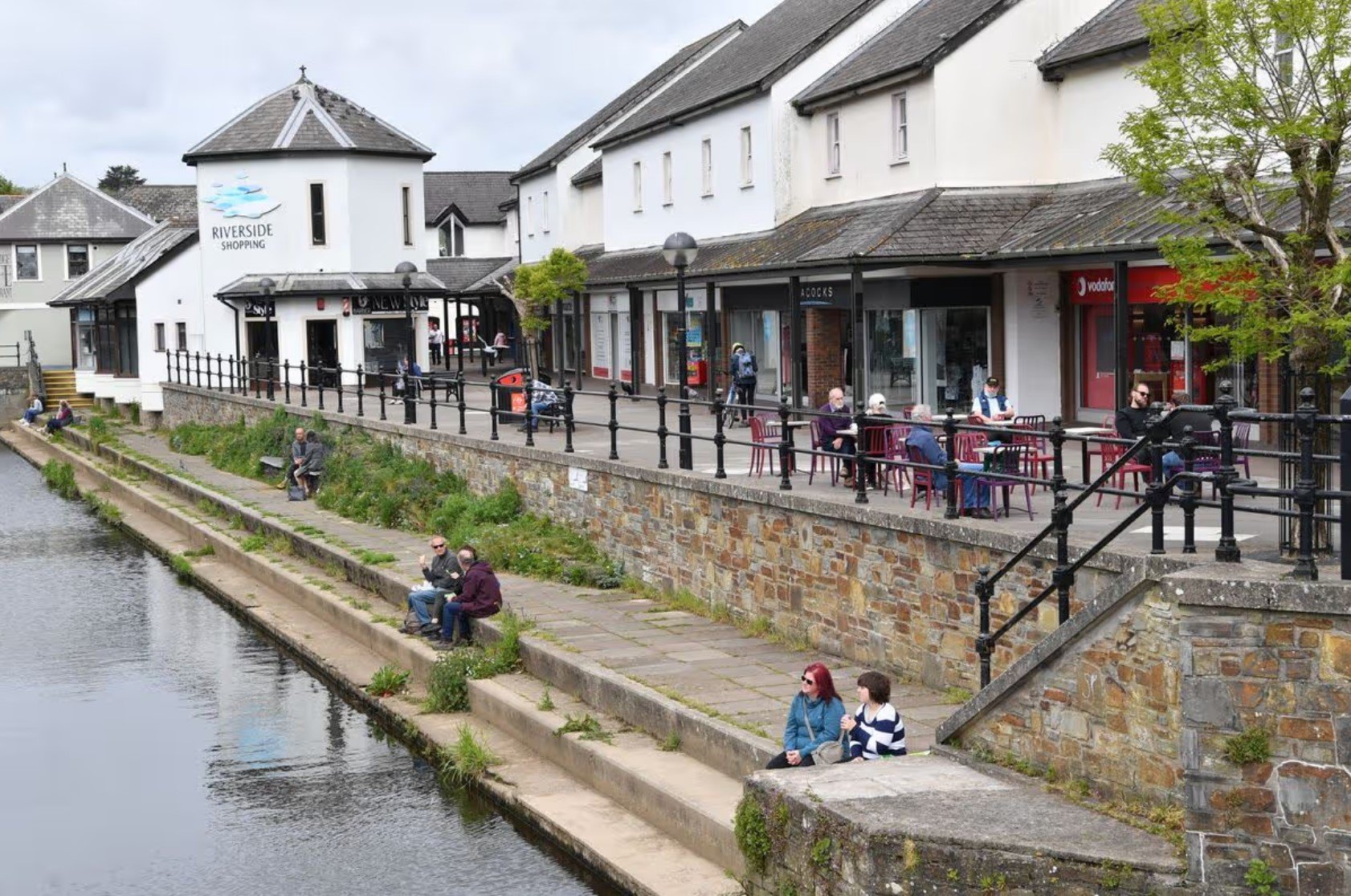
For years, we’ve been told the same story.
Amazon arrived.
Online shopping accelerated.
Footfall declined.
High streets died.
It’s a convenient narrative.
But it’s the wrong one.
High streets aren’t failing because of e-commerce. They’re failing because they’ve stopped giving people a compelling reason to show up.
And that distinction matters.
The Misdiagnosis of Modern Retail
Consumers haven’t fallen out of love with physical spaces.
They still queue for restaurant openings.
They still attend live events.
They still travel for immersive exhibitions and brand pop-ups.
What they’ve rejected isn’t physical presence.
It’s physical irrelevance.
For decades, the high street operated on a simple model: hold stock, display stock, sell stock.
But in a world where nearly every product can be delivered to your door within 24 hours, “holding stock” is no longer a competitive advantage. It’s an inefficiency.
The internet won the logistics battle.
So why are so many stores still trying to compete on convenience?
The Store Should No Longer Be a Warehouse
The fundamental shift required is this:
Physical retail should not exist to store products. It should exist to express brands.
The website handles inventory.
The warehouse handles fulfilment.
The high street should handle experience.
Consider a small, independent candle maker.
Instead of lining shelves with every scent they’ve ever produced, imagine they feature just one fragrance each month.
The entire space transforms around it.
The raw ingredients are displayed.
The lighting reflects the mood of the scent.
The story of its creation is told visually and emotionally.
Customers don’t simply browse.
They immerse themselves.
The visit becomes intentional — something worth leaving the house for.
More importantly, it becomes repeatable. If the experience evolves monthly, so does the reason to return.
This is no longer retail in the traditional sense.
It’s theatre. It’s storytelling. It’s brand-building in physical form.
The Global Opportunity
Now scale that thinking.
Imagine a company like Nike not limiting immersive environments to flagship city locations.
Instead, imagine temporary, high-impact pop-ups in smaller towns.
A new shoe launch becomes an event.
A treadmill installation allows customers to test performance in real time.
Lighting and sound design simulate race-day energy.
Digital screens tell the story of the athlete behind the product.
The objective isn’t simply to sell the shoe on-site.
It’s to create emotional connection.
The purchase can happen later — online, frictionlessly.
But the obsession is built physically.
That’s the distinction.
Experience Is the New Currency of the High Street
Online retail has optimised for speed, convenience and price transparency.
Physical retail must optimise for feeling.
Emotion.
Belonging.
Immersion.
Memory.
High streets don’t need more stores.
They need better reasons.
If every unit on a high street offered something experiential — something that changed, evolved, invited participation — footfall would not feel like a forced effort. It would feel like discovery.
The brands that understand this will thrive, regardless of size.
The ones that continue treating physical space as inventory storage will continue blaming the internet.
The future of the high street isn’t about competing with e-commerce.
It’s about doing the one thing e-commerce cannot:
Creating real-world moments that matter.
The real question isn’t whether online shopping has won.
It’s this:
If your local high street truly inspired you — would you go?