Marketing Influences: Lessons from the Gaming Industry
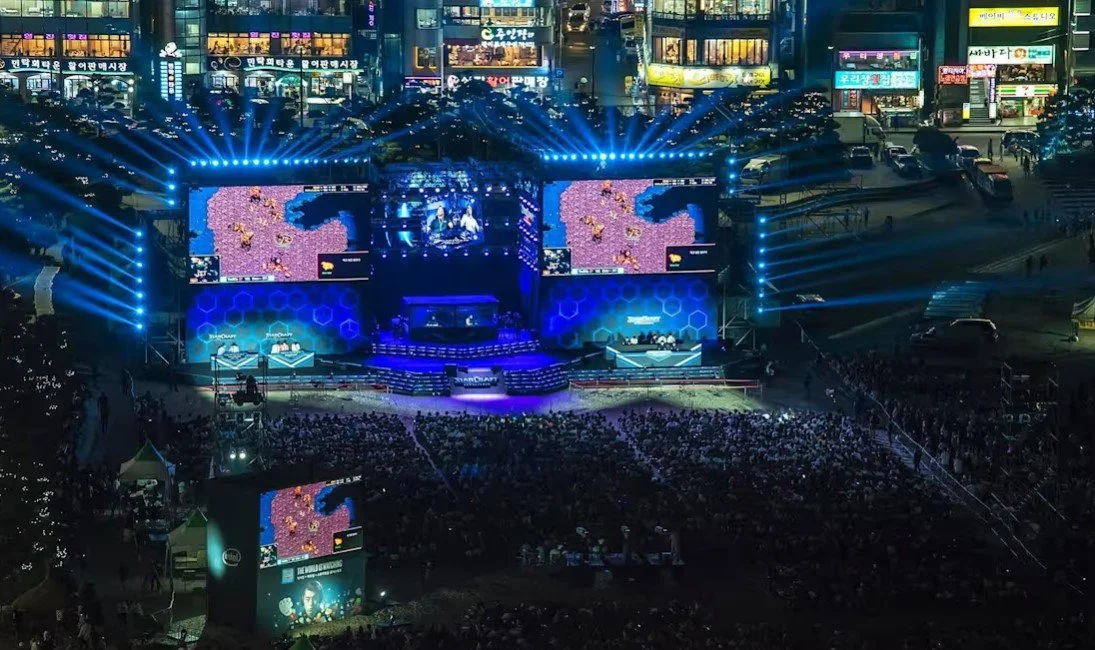
As a teenager, I was really invested in esports. Only years later would I realise just how much it shaped the way I think about marketing.
Between 2002 and 2006, gaming brands were pioneers in something most industries still struggle with today: designing around the player experience. They built immersive worlds and experiences, as supposed to products.
Two major influences have stayed with me:
Blizzard Entertainment (2002-2004): Warcraft III, world of Warcraft & Cinematic Storytelling
By the time Blizzard entered the early 2000s, they were already industry giants. With titles like Diablo II becoming a phenomenon, and StarCraft igniting an esports evolution in Asia.
With this momentum, Blizzard approached the launch of their next title, Warcraft III, with an extraordinary foundation. Blizzard’s creative leadership, people like Chris Metzen and the cinematics team set out with a specific intention: tell a great story. Not just a story for stories sake, but emotionally driven narratives built around iconic characters. Metzen often talked about how “the characters are the point,” and how the team worked to draw from real emotion and personal experience to give those characters depth.
They created a sprawling, character-driven saga, introducing figures like Arthas, Thrall, Jaina, Illidan, and Sylvanas. Characters with motivations, flaws, and arcs that felt almost Shakespearean. And they didn’t rely solely on in-game dialogue to do it. They paired the writing with industry-defining cinematics that looked and felt like Hollywood shorts. Blizzard’s cinematic team pushed technology, animation, and storytelling to a level no other studio was attempting at the time.
And when Warcraft III succeeded, Blizzard doubled down.
‘The Frozen Throne’ expansion developed the world even further, deepening character arcs and delivering more of the breath-taking cinematics players had begun to associate with the Blizzard experience. At this point, they had built a fanbase which had bonded with the world.
That’s when Blizzard took the biggest creative leap of all: World of Warcraft
It was an outrageous idea for its time. Taking characters players had just grown attached to and placing them in a living world you could explore, lead, or battle alongside thousands of others. Thrall ruled Orgrimmar, Jaina held Theramore, Arthas’ shadow loomed across Northrend. The transition from pre-rendered cinematics to playable world was seamless, because Blizzard had built the emotional scaffolding first.
What stands out to me today is this:
Blizzard didn’t do any of this because it was the safest or most profitable move. In fact, a profit-first mindset would’ve killed a project like this. Instead, Blizzard optimised for player experience, for story, for world-building, and for emotional connection. They believed that if they built something people would love deeply, commercial success would follow, and it did, on a scale that redefined culture.
That philosophy left a mark on me.
This era of Blizzard become one of my earliest marketing influences. It shaped my belief that great brands don’t simply sell products, they create worlds. They tell stories that make people feel something. They invest in craft and ambition long before the return is guaranteed.
Which to me, remains to be the gold standard of brand-building to this day.
2. SK Gaming & iNTEL “Gaming Is Believing” Advertising Campaign (2004-2005)
In the mid-2000s, esports was still underground. There were no mainstream Twitch streams, no Twitter clips going viral overnight. Competitive gaming lived on forums, IRC, and grainy LAN photos.
In that world, SK Gaming were as close to legends as you could get. Their Counter-Strike squad was one of the dominant teams in the scene, stacked with names everyone knew, backed by serious sponsors like Intel.
That’s the backdrop for SK Gaming’s Intel-sponsored “Is Believing” advert — the first piece of marketing that genuinely spoke to me.
This wasn’t a generic tech commercial or a cheesy “games are fun!” montage. It felt like a window into what it actually meant to compete at that level: the focus, the nerves, the concentration, the unspoken trust between teammates. It showed gamers not as stereotypes, but as driven competitors.
From Intel’s side, the objective was clear: go beyond “our processors are fast” and instead attach the brand to human performance — to the idea that belief, discipline, and high performance hardware all sat on the same side of the story. For SK, it was a chance to show the world that this was more than a hobby; it was a serious, demanding, team-based pursuit. For both, the approach was the same: tell a human story first, show the product second.
The reason this advert hit me so hard, is because I didn’t feel like a “target audience.”
I felt seen.
It captured things no one had really articulated in mainstream media yet:
The tunnel vision of being fully locked into a game.
The tiny, invisible decisions that separate average from elite.
The feeling of being part of something bigger than just you and your screen.
It didn’t need to explain specs, features, or frame rates. It showed emotion: the grind, the tension, the release. It used the visuals and pacing to say, “We know what this feels like. We’re in it with you.”
That was the moment I realised great marketing is empathy in action. Not flattery. Not hype. Just a deep, accurate understanding of what your audience cares about, reflected back at them.
That SK x Intel campaign hard-wired a few beliefs I still carry into brand-building:
Identity over demographics
Don’t just target “gamers aged 16–24.” Speak to competitors, creators, obsessives — the mindset, not the age bracket.Emotion over explanation
Specs and features matter, but they rarely move people on their own. The “Is Believing” campaign worked because it made you feel like you were part of that world.Belonging as a brand asset
That advert created a sense of, “These are my people.” The best brands don’t just sell to an audience; they give that audience a flag to stand under.Partnerships as storytelling, not logo-slapping
Intel and SK didn’t just trade visibility. They co-created a story where performance hardware and competitive ambition were two halves of the same idea.
Just like Blizzard taught me the power of building worlds people want to live in, SK Gaming’s “Is Believing” campaign taught me that the strongest brands make people feel understood.
That combination — world-building plus empathy — is still the foundation of how I think about great marketing today.